
Browse more articles and blogs:
Online Hate... Is The New Normal?
 In our current digital era, social media has become a space for connection, self-expression, and discourse with people worldwide. However, for many women, it has also become a place where they keep facing relentless bullying, misogyny, and mistreatment. From mostly entitled people online, and even women themselves, they dismiss other opinions as “random yapping” to outright harassment. The rise of anonymity in social media platforms has further enabled this toxic culture, leaving lasting effects on mental health and self-perception.
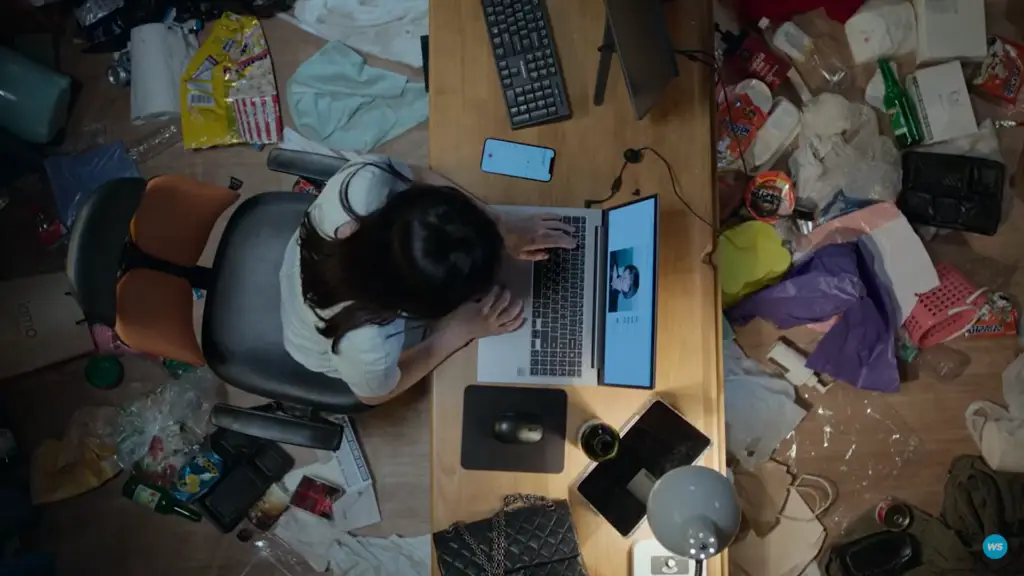
from Netflix series “Celebrity”
Stories of Online Bullying and Misogyny
Across platforms like Twitter and anonymous question-and-answer apps such as NGL and Tellonym, women encounter various forms of online mistreatment. A K-pop fan on Twitter shares how she has witnessed personal hate and bullying between fandoms of K-pop groups (that are women themselves), and they even begin attacking the idols. Others have experienced direct attacks, from shaming women about their personal life status to even receiving death threats through burner accounts. These attacks are persistent and ruthless, and the bullies thrive on the reactions they provoke.
One anonymous source recounts how they saw a close friend getting harassed online and realized that attackers do not stop, even after being reported. The abuse continues because of the false sense of power anonymity provides. In many cases, victims need to fend for themselves, with little to no consequence for the perpetrators.
Its Effects on Mental Health
The constant exposure to hate can take a toll on a woman’s mental health. The culture of cyberbullying in women forces many to self-censor or avoid discussions altogether. Some women, even you, cope by distracting themselves, relying on friends for support, or even confronting their attackers calmly. However, the reality remains—many women internalize the hate they receive, affecting their confidence, self-perception, and their trust in interacting with others.
One of the most damaging aspects of this issue is how it influences women’s treatment of each other. Instead of fostering a supportive community, social media often pits women against one another. Something like the “girl’s girl” narrative online can also be used as an attack on a woman, forming groups of women who take on others. The pressure to meet specific expectations and the fear of internet response might result in too much competition rather than togetherness.
Is the Law Enough?
While laws like the Cybercrime Prevention Act of 2012 and cyber libel exist, they often fail to solve the problem. As another anonymous source pointed out, existing policies should be strengthened and made more accessible to the public. Many people do not understand the legal protections available to them, and enforcement remains inconsistent. Others even argue that moral responsibility cannot be controlled by legislation. If someone is intent on spreading hate, no constitution can change their mindset.
Tightening of Social Media Rules?
I have asked my anonymous sources whether social media platforms should impose stricter netiquette or maintain free speech. Some think that laws prohibiting damaging content could help end the issue. However, others argue that limiting free speech would be ineffective since social media is inherently an unsafe space with a wide range of users from different people around the world. Well, the “think before you click” movement has existed for years, yet nothing has changed for the better. Eventually, individuals must take responsibility for their actions and the content they engage with.
What Can Women Do?
Despite these challenges, women must remember that they are not alone in this fight. Building supportive online communities and standing up for each other is crucial in countering online misogyny. Here are some ways women can reclaim their safe space in social media:
- Empower Each Other: Instead of tearing others down, uplift and support fellow women. A simple act of encouragement and compliments can make a huge difference.
- Call Out Toxicity: If you see misogynistic behavior, address it responsibly or immediately report it.
- Protect Your Online Space: Limit interactions with toxic individuals and choose what content you want to consume. Remember that these attackers only gain the satisfaction of hating when provoked.
- Find Support: Talk to trusted friends or join groups that advocate for safe online spaces.
- Know Your Rights: Educate yourself about laws and resources that protect against cyberbullying.
The fight against misogyny is far from over, but by raising awareness and standing together, women can create a safer and more inclusive online world. No one should feel powerless or alone in experiencing internet bullying. Social media should be a place of connection—not separation.
Erich Buico (For Her Haven Developer)
February 1, 2025